


01
Physiotherapy
Improving disorders of the musculoskeletal system and their associated pains
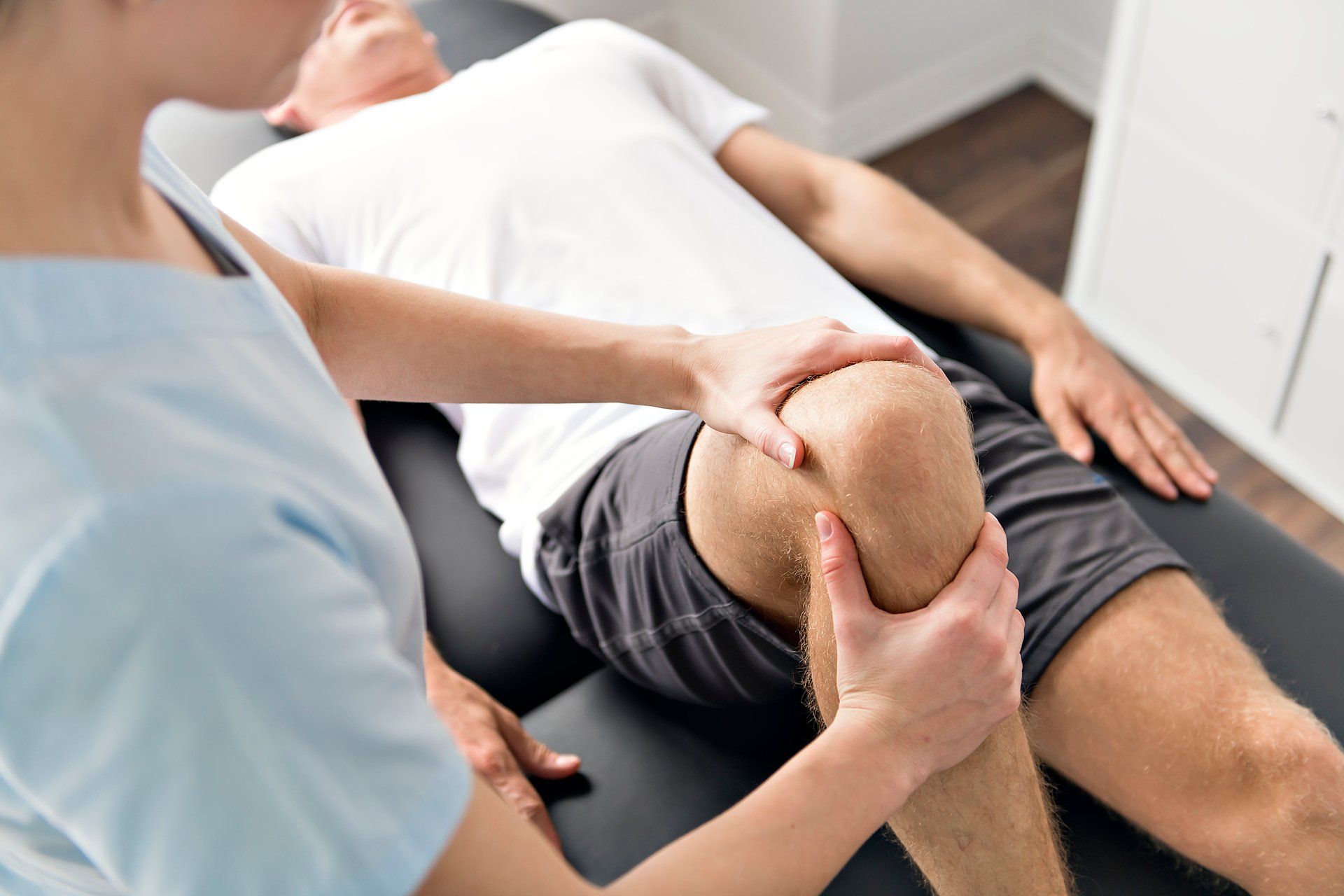
The term ‘physiotherapy’ encompasses those principles and methods that seek to treat disorders of the
musculoskeletal system. More precisely, the aim here is to treat and cure muscle, ligament and joint disorders.
Typical areas of application:
- Disorders/pain of the musculoskeletal system
- Rehabilitation after accident/surgery
Book appointment
- Disorders/pain of the musculoskeletal system
- Rehabilitation after accident/surgery
02
Lymphatic physiotherapy
Taking targeted actions to prevent the swelling and hardening of body tissue
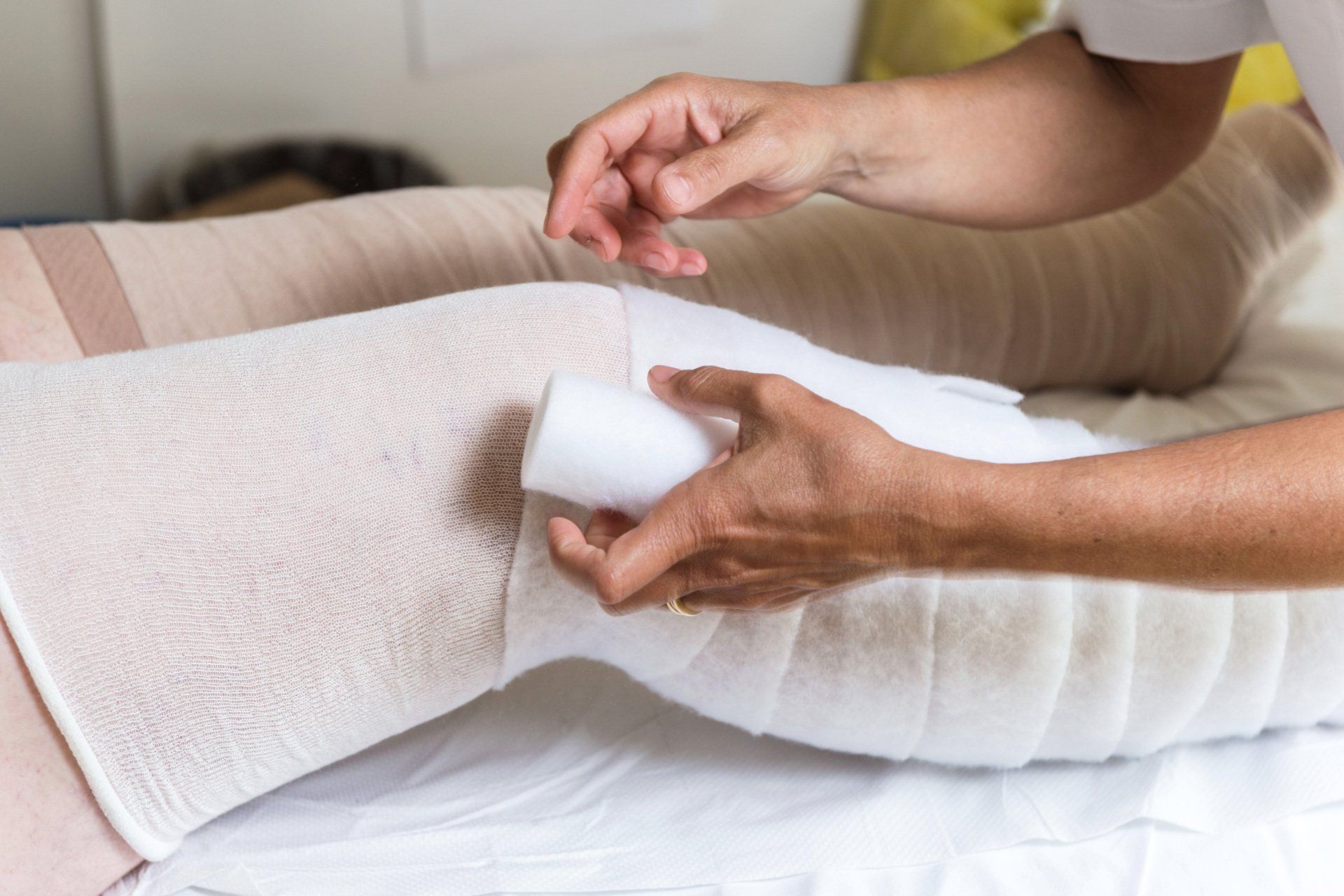
A combination of five pillars forms the foundation of successful lymphological physiotherapy. It therefore constitutes an important part of Complex Physical Decongestive Therapy (CPDT), which itself consists of five pillars:
- Manual lymphatic drainage:
- Specialised manual techniques promote the drainage of tissue fluid and help prevent and reduce tissue hardening.
- Compression therapy:
- Includes compression bandaging, followed by the fitting of compression garments.
- Skin care:
- Particularly important during compression therapy.
- Exercise therapy:
- Exercise supports healthy tissue and helps prevent functional limitations.
- Self-management:
- You will also learn what you can do yourself to support your treatment.
Areas of application:
- Primary and secondary lymphoedema
- Postoperative/posttraumatic oedema
- Lipoedema
- Phlebolymphoedema
03
Oncological physiotherapy
Personalised support during and after cancer treatment
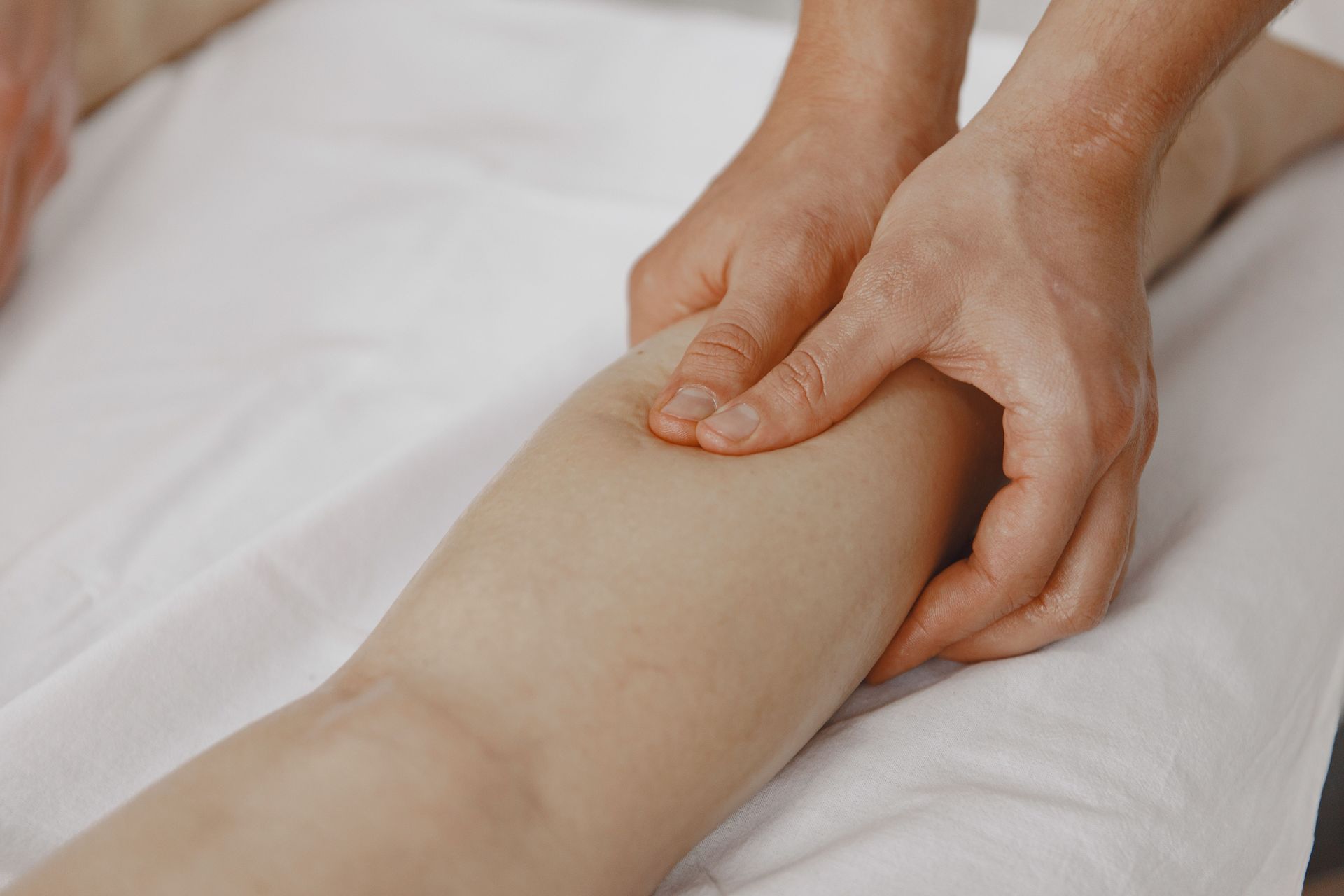
Oncological therapy encompasses a diverse range of treatments (including surgical, radiotherapeutic and drug-based). All of this throws the body’s balance off, which makes it harder for the affected areas to regenerate and heal.
With professional expertise and individual adjustments, physiotherapy can help the body cope with the effects of treatment and relieve symptoms after therapy.
During therapy:
The best possible support to keep impairments during medical treatment as low as possible and to make it possible to continue the therapy.
After therapy:
Support to prevent possible long-term impairments. We will create an individual management plan for you.
04
PNF - Proprioceptive neuromuscular facilitation
Regaining control over body movements and posture
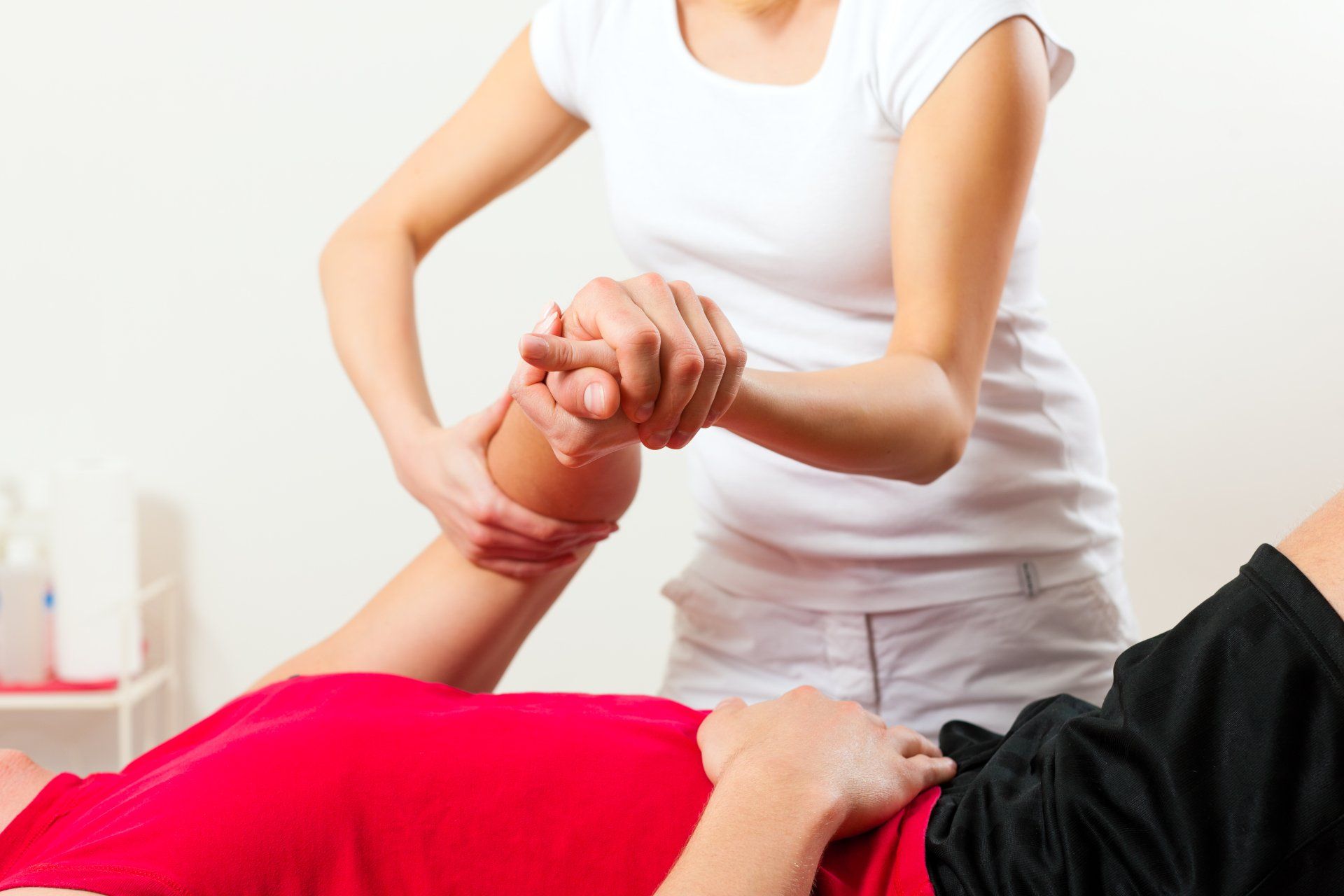
The purpose of PNF stretching is to ease (facilitate) the control over body movements and posture.
Should the effective performance of everyday movements be impaired or restricted, based on the individual’s symptoms, PNF therapy can help restore those abilities accurately and as best as possible.
Areas of application:
- orthopaedic/surgical indications (implantation of
endoprostheses, degenerative damages to the postural control system)
- neurological indications (i.e.
stroke
and
Parkinson’s disease)
Book appointment
- orthopaedic/surgical indications (implantation of endoprostheses, degenerative damages to the postural control system)
- neurological indications (i.e. stroke and Parkinson’s disease)
05
Preventative training
(nordic walking)
Preventing pain as well as boosting endurance and stamina
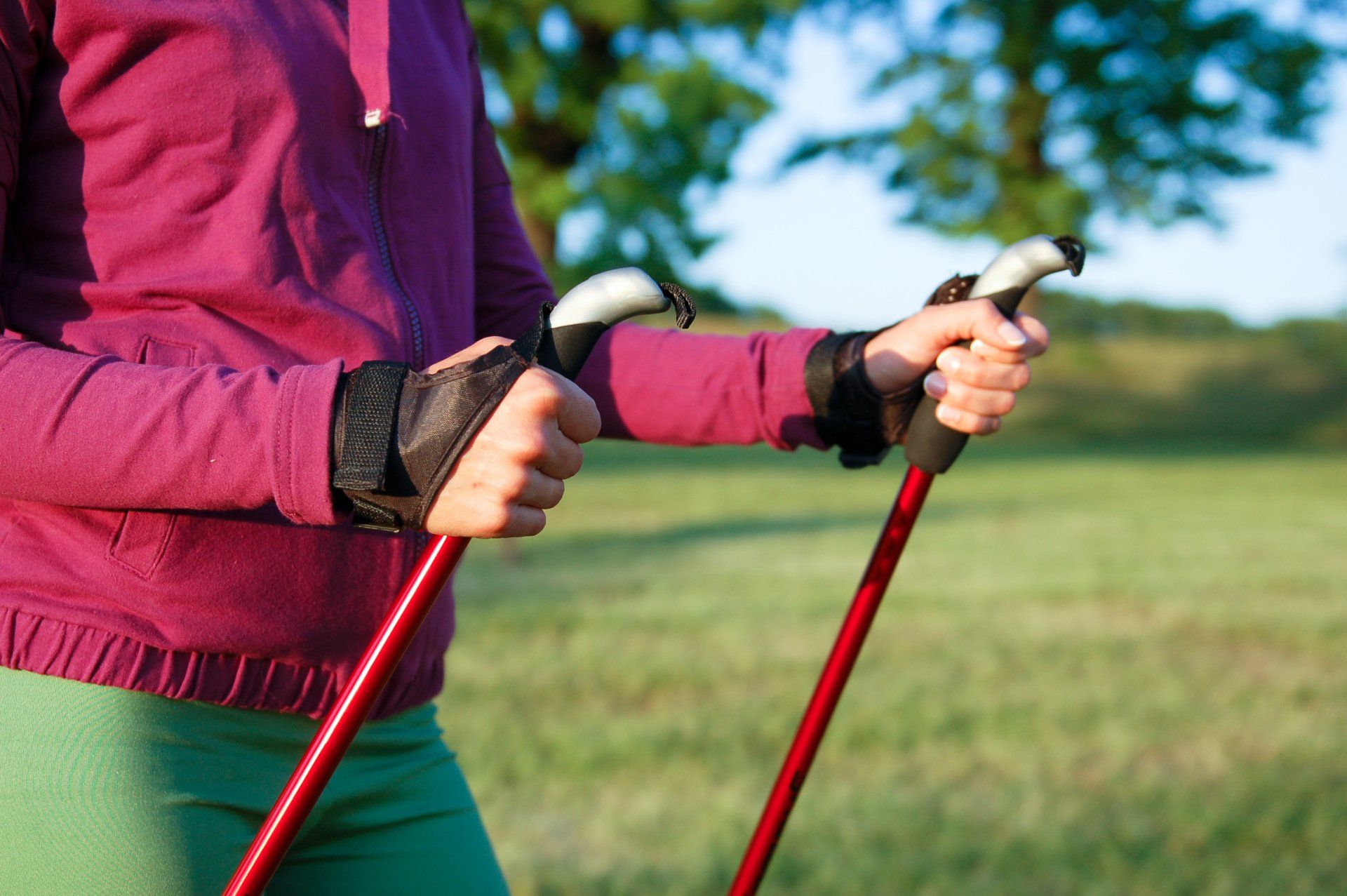
Nordic walking:
Nordic walking was initially developed as a training method for professional skiers but has since gained popularity among leisure activity enthusiasts. Moreover, it has been recognised in the context of a wide range of therapies.
The use of specialist poles means that both legs and upper body muscles are being exercised. The focus here lies on applying the correct technique as this will ensure the best possible training outcome for you.
It will be my pleasure to teach you the techniques required, either on a 1-2-1 basis or in small groups, so that you can walk with confidence and enjoy the many benefits of being in the outdoors.
06
Massage
Easing muscle tension and improving blood circulation
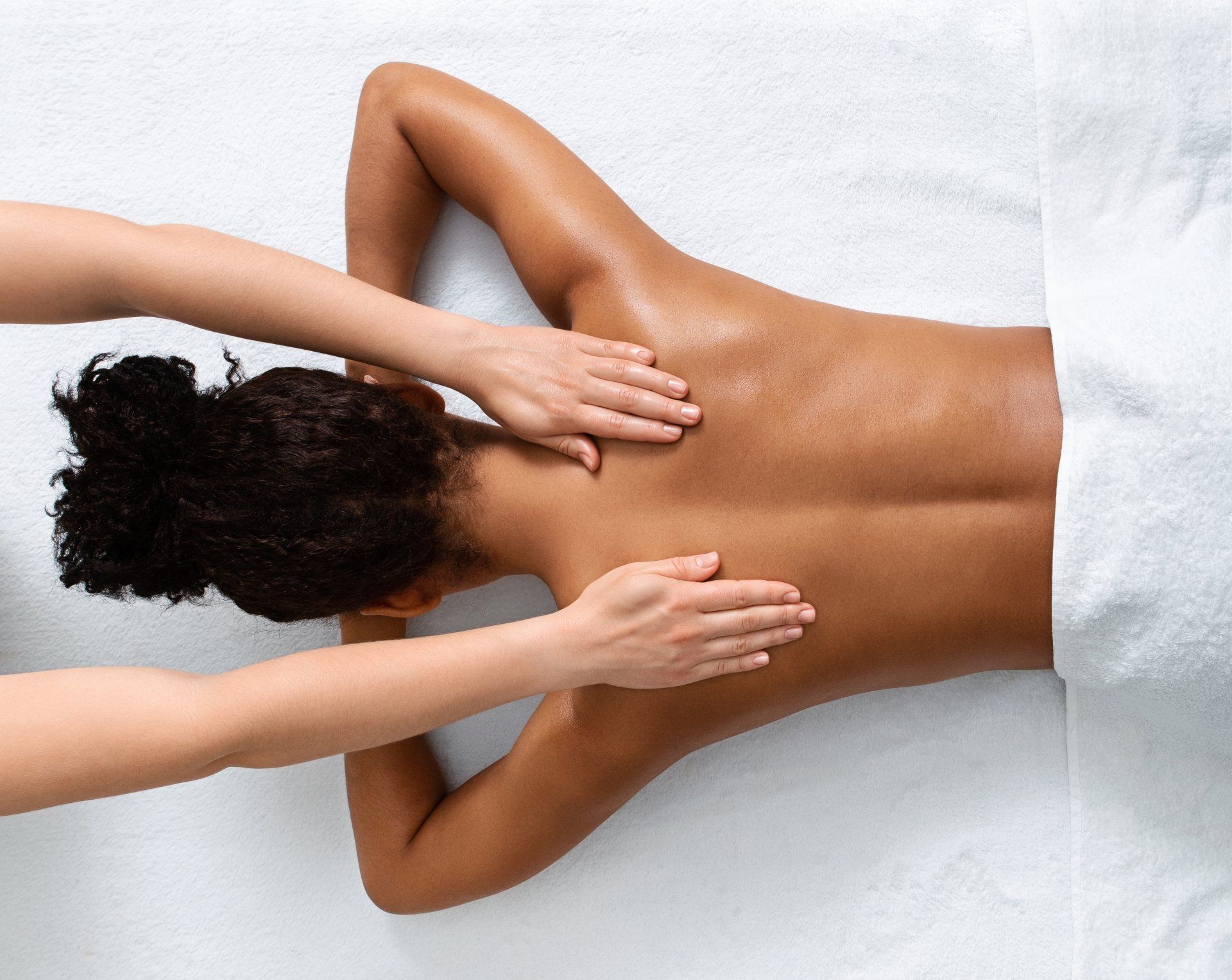
In general, the massage is defined as a manipulation of skin, connective tissue and muscles with the aim of reducing tension and pain. The application of stimuli through stretching, tension and pressure leads to the different tissues moving against each other. This, in turn, encourages blood circulation, increases mobilisation and helps break up adhesions and scar tissue.
The traditional massage follows a specific sequence of techniques whose intensity increases over the course of the treatment. The aim is to ease pain, encourage skeletal muscle blood flow and regulate muscle tension among others.
Book appointment
Should you have further questions, please do not hesitate to contact me.